The Importance of Decentralization
Why Decentralization Matters
Decentralization isn’t ideology, it’s infrastructure. At its core, it’s about removing single points of failure and control. You wouldn’t run all of global finance from JP Morgan’s computer, or coordinate the entire internet from one Wi-Fi router in a coffee shop. The stakes are simply too high. Whether it’s your money, your data, or your governance rights, centralized control is fragile, politicized, and vulnerable.
This is especially true at internet scale. When systems are global, trustless, and permanent, you don’t want decisions resting in the hands of a few. You want a design that guarantees resilience and neutrality, regardless of who’s in charge. That’s what decentralization offers: a way to scale trust through structure, not personality.
Just look at what happened during the Robinhood–GameStop trading halt in 2021. Millions of users suddenly lost access to open markets, not because of a market crash, but because a centralized platform made a unilateral decision. That single point of control exposed the systemic risks of centralization: when trust is concentrated, user freedom becomes optional.
Censorship resistance is one benefit, but so is credible neutrality, where no one can rig outcomes, silence participants, or tilt incentives. This matters far beyond crypto. It’s how you enable fair coordination, dynamic markets, and inclusive innovation.
Decentralization is also about competition. In a centralized system, access is gated. In a decentralized one, value accrues to those who perform, whether that’s a validator processing blocks, or a user proposing improvements. Systems governed by their users foster better incentives, stronger communities, and ultimately, better outcomes.
Nowhere is this more important than in blockchain infrastructure. And that brings us to staking.
How Kintsu Aligns Validators, Users, and Governance
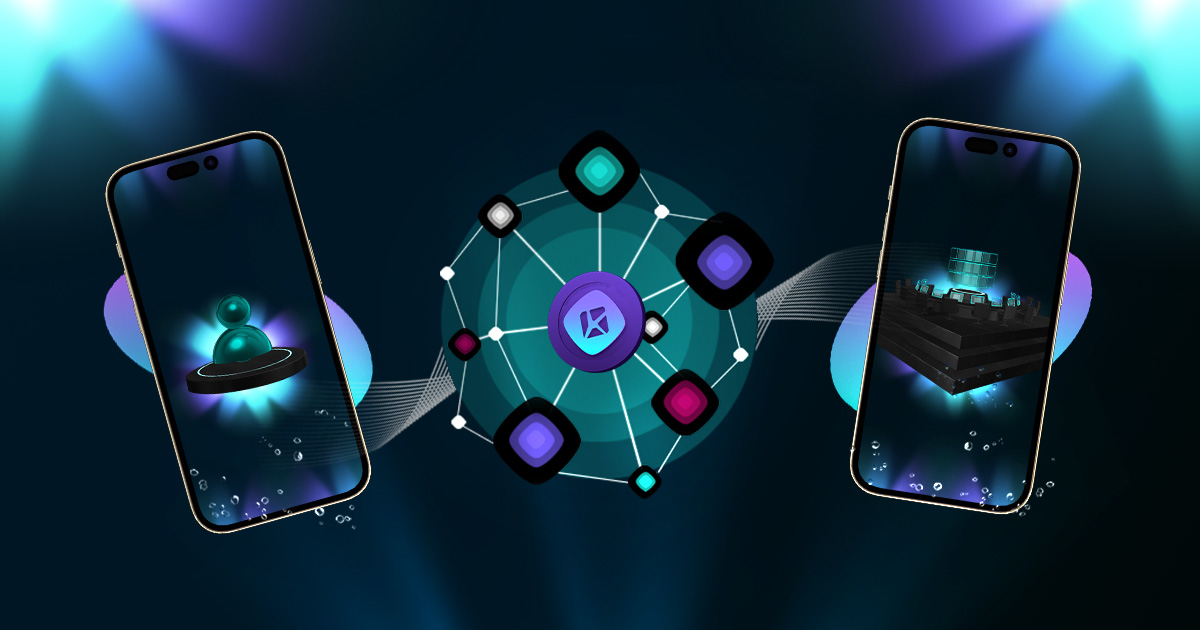
Kintsu Aligns Validators, Users, and Governance
Kintsu isn’t just another liquid staking protocol. We’re building an open, decentralized staking infrastructure for Monad, one where validators compete on performance, and delegation flows through transparent, community driven governance.
Our validator registry won’t be managed singlehandedly by a core team with back room handshake deals. Instead, it will be governed on-chain through a DAO. Stake should be distributed based on a node operator’s actual performance and how the community votes, not because someone has default status or insider access. By incentivizing optimal yields and giving a DAO this power, we can unlock a greater scale for liquid staking on Monad.
This structure unlocks leverage over delegation. Think of it like a Fantasy Validator League: node operators compete for stake, and DAO participants vote based on performance, alignment, or strategy. Kintsu gives holders influence over delegation, similar to routing stake through a programmable vault.
In the future, third-party protocols may build systems on top of this, offering rewards to voters who support certain validators. Staking Kintsu is like owning the foundation. Bribe markets are like someone building a rewards layer on top.
That’s what credible neutrality makes possible, not just fairness, but dynamism.
More importantly, it makes the system resilient. Delegation rights are earned, not granted. And every stakeholder, validator, user, DAO member has real influence over how capital flows and governance evolves.
This is what decentralization unlocks for liquid staking:
A permissionless path to validator selection
A credible system of on-chain delegation
A community-led foundation for how staking works
Kintsu isn’t just building the most capital-efficient LST on Monad. We’re building the most credibly neutral staking protocol, where yield, security, and governance are all aligned through decentralization.
At mainnet, this won’t just be a place to stake MON. It will be a platform for validator strategy, marketplace experimentation, and shared value creation.
And we’re designing it with that endgame in mind.
Follow our social channels to stay up to date on everything Kintsu!
• Discord
• Medium